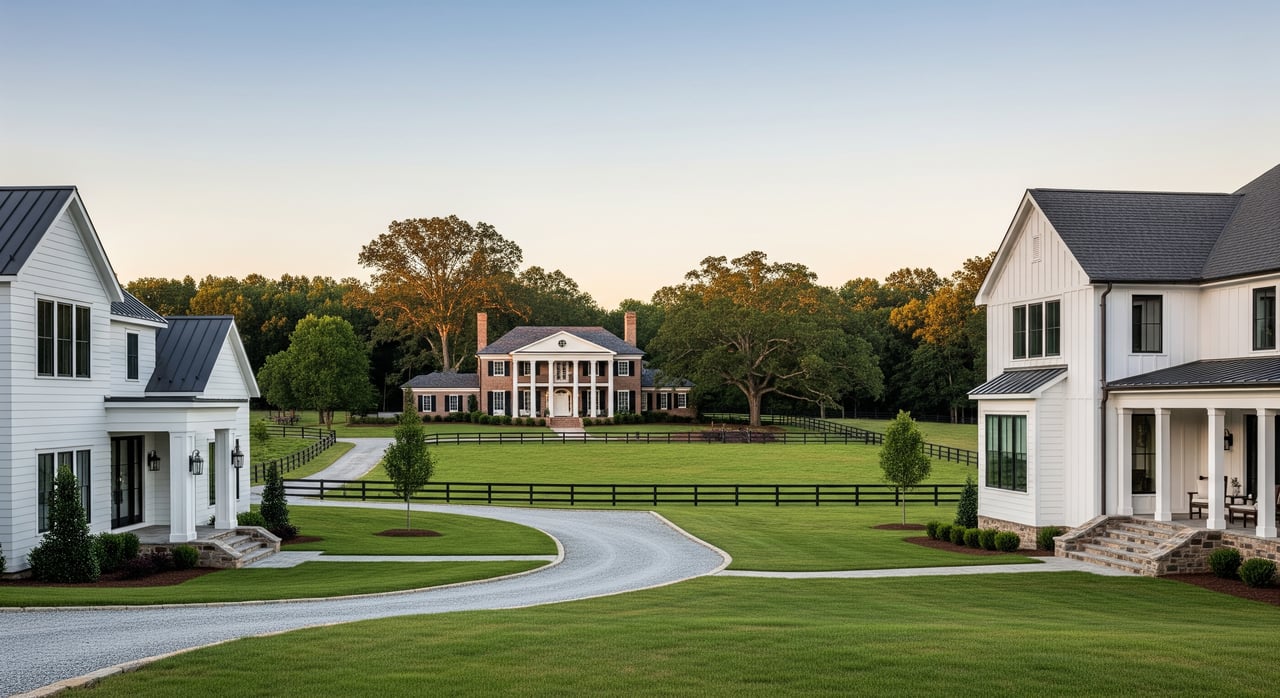
New Construction vs. Resale in Milton: What to Know
January 1, 2026
January 1, 2026
Thinking about buying in Milton and trying to choose between a brand‑new home and a resale? It’s a common crossroads. You want the right mix of value, timing, and long‑term fit, and the stakes feel high. In this guide, you’ll learn how new construction and resale homes compare in Milton, what local factors matter most, and what to check before you commit. Let’s dive in.
Milton blends suburban convenience with a semi‑rural feel. Many neighborhoods offer larger lots, mature trees, and open‑space character that attract buyers looking for privacy, outdoor living, and room for hobbies. Proximity to commuting corridors toward Alpharetta and Atlanta is a priority for many residents.
Local land‑use policies shape what gets built. Zoning, subdivision approvals, and conservation efforts can limit density, which affects where new communities appear and the typical lot sizes you’ll see. Because supply, pricing, and time on market shift over time, plan to verify current conditions with local MLS data and the City of Milton’s planning and building offices before making a final decision.
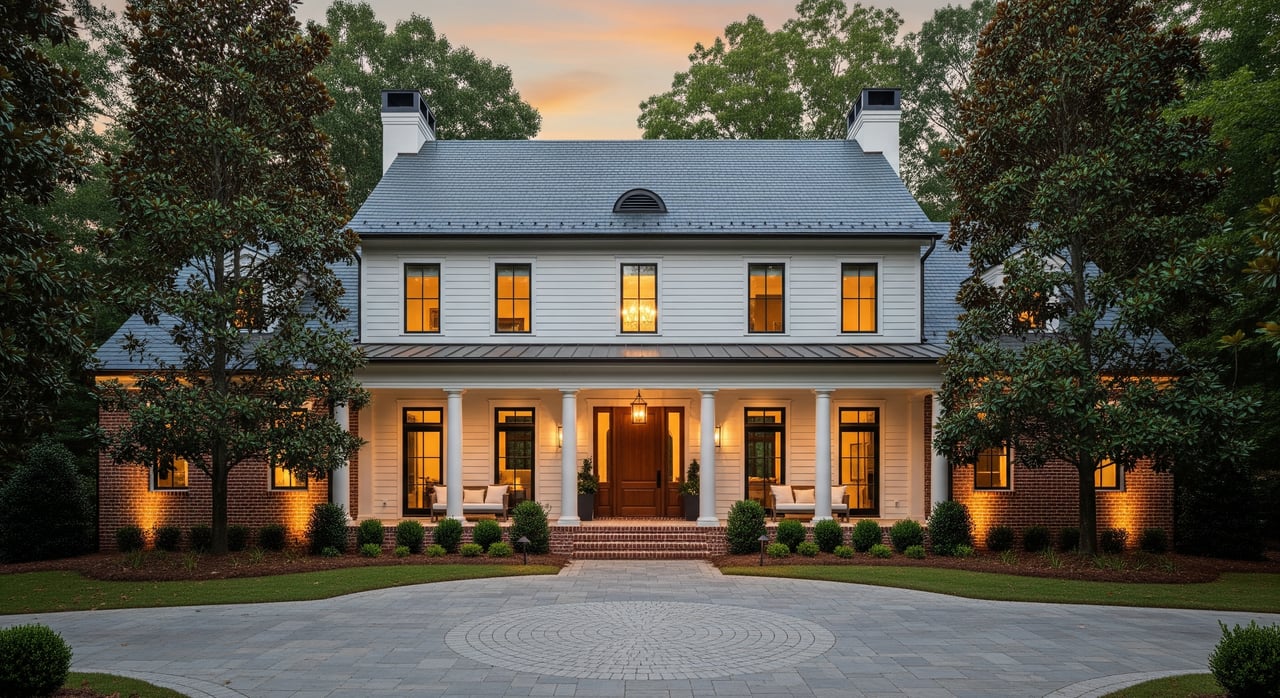
New homes in Milton range from planned communities to custom builds on estate lots. Many buyers like the ability to pick finishes and enjoy modern layouts from day one. You also benefit from newer building codes and typically receive limited builder warranties for workmanship and structural items.
Potential tradeoffs include a price premium compared with comparable resales, limited design choices within a builder’s package, and a longer timeline if the home is not move‑in ready. In some communities, homes may sit on smaller lots, while custom builders can deliver larger estate‑lot options at higher costs and longer timelines.
Resales can offer strong value per square foot, especially if a home needs cosmetic updates or a seller is motivated. You’ll find a wide range of lot sizes and established neighborhoods with mature landscaping and an existing community feel. Closing timelines are usually faster, often within 30–60 days depending on your financing and the seller’s plans.
Tradeoffs can include older systems, potential deferred maintenance, and the need for updates. A thorough inspection is essential, and you should budget for near‑term improvements like HVAC, roof, or window replacements if the home is older.
New construction often carries a premium due to modern materials, builder profit margins, and the appeal of a never‑lived‑in home. Builders may also offer incentives, such as closing cost assistance or design upgrades, depending on market conditions.
Resales can deliver better value per square foot, particularly if you’re open to updating finishes over time. To compare apples to apples, review recent sales and active listings for both categories in the local MLS, including price per square foot and median lot size within Milton’s boundaries.
If you need to move soon, a resale may offer more certainty. You can often close within one to two months once inspections and financing are in place. Established utilities and landscaping reduce post‑closing surprises.
New construction gives you a fresh start and personalization, but timing can stretch. Permits, weather, supply chain issues, and phased community buildouts can push delivery beyond the original estimate. If timing matters, look for builder inventory that is already under construction or nearly complete.
Even new homes need third‑party inspections. It’s smart to schedule milestones such as pre‑drywall and pre‑closing inspections to catch workmanship issues and build a punch‑list before you take possession. Builder warranties provide coverage for certain items, but not everything is included, so read the documents closely.
Resales vary widely in condition. Order a full home inspection and consider specialty inspections for items like termite, sewer, or radon if appropriate. Review the home’s permit history and seller disclosures to understand past work and potential future costs.
New builds are usually constructed to newer energy and building codes, which can mean better insulation, efficient windows, modern HVAC, and sometimes energy‑efficient appliance packages. You may see features like HVAC zoning or third‑party certifications, depending on the builder.
For resales, efficiency depends on the home’s age and upgrade history. Improvements are possible, but costs and feasibility vary. Ask for recent utility bills to estimate ongoing costs and factor upgrades into your long‑term plan.
Milton’s appeal includes larger lots, equestrian‑friendly areas, and conservation‑minded planning. New communities may cluster homes based on zoning, while custom builders cater to buyers who want estate‑lot settings.
In resales, you’ll find both legacy parcels and established subdivisions near commercial nodes. Mature landscaping and a lived‑in neighborhood feel can be a major draw. Confirm whether a property uses public water and sewer or a well and septic system, because that affects inspections, maintenance, and long‑term costs.
With new construction, you can select floor plans, finishes, and upgrades inside a builder’s package. Custom builds go further, allowing unique plans and finishes on specific lots, usually at higher prices and with longer timelines.
Resales deliver immediate character. You can renovate at your pace or tackle a full remodel. Just be mindful of living through construction or carrying two homes if you need to move out during major work.
Many new communities have homeowners’ associations with architectural guidelines, amenity fees, and rules that help maintain consistency. Ask for the covenants, design standards, and fee schedules in writing. In early phases, budgets and reserves are still forming.
Established neighborhoods often provide a clearer view of HOA history, reserve funds, and fee stability. Review meeting minutes, recent budgets, and any special assessments so you understand the long‑term financial picture.
Resale purchases typically follow a conventional path because comparable sales are plentiful. New construction can be more complex, especially in brand‑new phases with limited comps. Some buyers use construction‑to‑permanent loans, and builders may offer preferred lender options.
Be prepared for appraisal questions on new builds, including how upgrades and lot premiums are valued. If you plan a custom build, clarify the draw schedule, builder insurance, and how the loan converts once the home is complete.
Future value in Milton is shaped by lot size, location within commuting routes, proximity to local services, build quality, and community reputation. Paying a premium for brand‑new features can compress near‑term appreciation if nearby resales offer similar space at lower prices.
On the flip side, an updated or well‑maintained resale on a strong lot can see solid demand. Track local trends through the MLS to compare days on market, price trajectories, and absorption rates between new builds and resales.
Choosing between new construction and resale is about aligning the home with your life, your timing, and your long‑term plan. If you want a tailored, data‑informed comparison of current Milton opportunities, we can help you evaluate pricing, timelines, inspections, and HOA considerations side by side. Connect with The Chrismer Group to explore active listings, upcoming communities, and resales that fit your goals.
Stay up to date on the latest real estate trends.




With a blend of local expertise and personalized service, our team guides you through every step of your real estate journey in Alpharetta and the surrounding areas.